NFRC Certification for Imported Windows is the technical focus of this guide. A window brand importing private-label aluminum windows into the United States meets NFRC at the first energy code question: many US states and the big residential programs expect an NFRC-certified U-factor, SHGC and visible transmittance on the label, and a quotation full of factory test numbers does not substitute for it. The NFRC system is not a factory audit and not a hurricane approval; it is a labeling program built on simulation, third-party validation and licensed labels, and it has a defined path that private-label importers can walk. This article maps that path, who does what along it, what it costs in time and steps, and where importers most often trip: assuming the factory’s numbers travel with the brand. This is a decisive checkpoint for NFRC certification for imported windows. Well-specified NFRC certification for imported windows gives the site team a measurable acceptance point.
The short answer
The NFRC path runs through three roles. A licensed simulator builds the thermal and optical models of the product line and computes the ratings. An Independent Certification Provider (IA) administers the program: validating the simulations, arranging physical test validation where required, auditing, and authorizing the product line. The license holder, you or your manufacturer, then receives label authorization and applies temporary or permanent NFRC labels to products in the authorized lineup. Physical testing validates the calculation method on representative specimens, and the SIM program extends ratings across the line on a calculation basis. For a private-label importer, the structural question to settle first is who holds the certification and the labels: certifying in your own brand name is the durable route and requires the paperwork chain, product line definition, simulator and IA, to run through your entity rather than borrowing the factory’s. Record the governing project assumptions in the NFRC certification for imported windows brief before drawings freeze. Treat this item as part of the complete NFRC certification for imported windows evaluation rather than an isolated component.
NFRC, the National Fenestration Rating Council, is the US body that standardizes how window energy performance is rated and labeled. Its label carries the numbers that matter to energy codes: U-factor (how much heat escapes, the label version of the European Uw), Solar Heat Gain Coefficient, Visible Transmittance, and Air Leakage. The system works because the numbers are produced the same way every time: simulation per NFRC-approved procedures by a licensed simulator, checked and validated by an accredited third party, with physical testing anchoring the calculation methods, and labels issued only under license to authorized products. “NFRC-certified” therefore means something specific: this product, in this lineup, has ratings produced through that chain and is authorized to carry the label. A supplier quoting U-factors from a brochure or a single lab report is not making that claim, which is exactly the gap between engineered-to-meet and certified described in Engineered to Meet vs Certified. Use project conditions rather than catalogue defaults when evaluating NFRC certification for imported windows. The NFRC certification for imported windows comparison should state the assumptions behind this value.
The one-table comparison
| Role | Who it is | What they do | Importer’s interaction |
|---|---|---|---|
| Licensed simulator | Independent engineer or firm licensed by the certification body | Builds product models; computes U-factor, SHGC, VT ratings per NFRC procedures | Supplying complete product data: profiles, glazing, spacer, thermal breaks |
| Independent Certification Provider (IA) | Accredited third-party administrator | Validates simulations, arranges physical validation testing, conducts audits, grants label authorization | Contracting party; where the program officially lives |
| Test laboratory | Accredited physical testing lab | Runs validation testing on representative specimens when the program requires it | Specimen logistics from the factory |
| License holder / label recipient | Your brand or the manufacturer | Holds the certification, applies labels to authorized products in the authorized lineup | The structural decision: whose brand the label serves long-term |
| Responsible party for line changes | The license holder of record | Notifies and re-simulates when glazing, spacer or profile changes occur | Ongoing obligation, not a one-time fee |
Program names and structures evolve; confirm current requirements directly with NFRC and your chosen IA. This table maps the standard chain, roles a small import brand will meet on day one.
What the NFRC label is, and what it is not
The label is a standardized energy rating, and its value is comparability: two windows with NFRC labels can have their U-factors compared with confidence because both numbers were produced by the same validated methods. That is what energy codes reference and what programs like ENERGY STAR use as their technical basis. What the label is not: a structural approval, a water-penetration rating, a hurricane product approval, or a quality guarantee. Those live elsewhere in the standards landscape, structural and water performance in the ASTM performance family, hurricane approvals in the Miami-Dade NOA and ASTM E1886/E1996 world. A brand that needs both energy labels and Florida approvals is running two separate programs; the NOA route is mapped in How to Get Miami-Dade NOA for Your Window Brand, and the performance-test side of the evidence in the Uw/Ug/Uf calculation guide. That distinction keeps NFRC certification for imported windows comparisons technically fair. Carry this requirement into the NFRC certification for imported windows inspection checklist.
Step by step: simulator, IA, label authorization
The practical sequence for a private-label line runs in five moves. First, define the product line precisely: frame series, glazing options, spacer types, operable types and size ranges, because certification attaches to a defined lineup, not to a factory generally. Second, engage a licensed simulator and feed them complete product data: profile cross-sections, thermal break details, glazing make-ups with their certified optical and thermal data, spacer geometry.
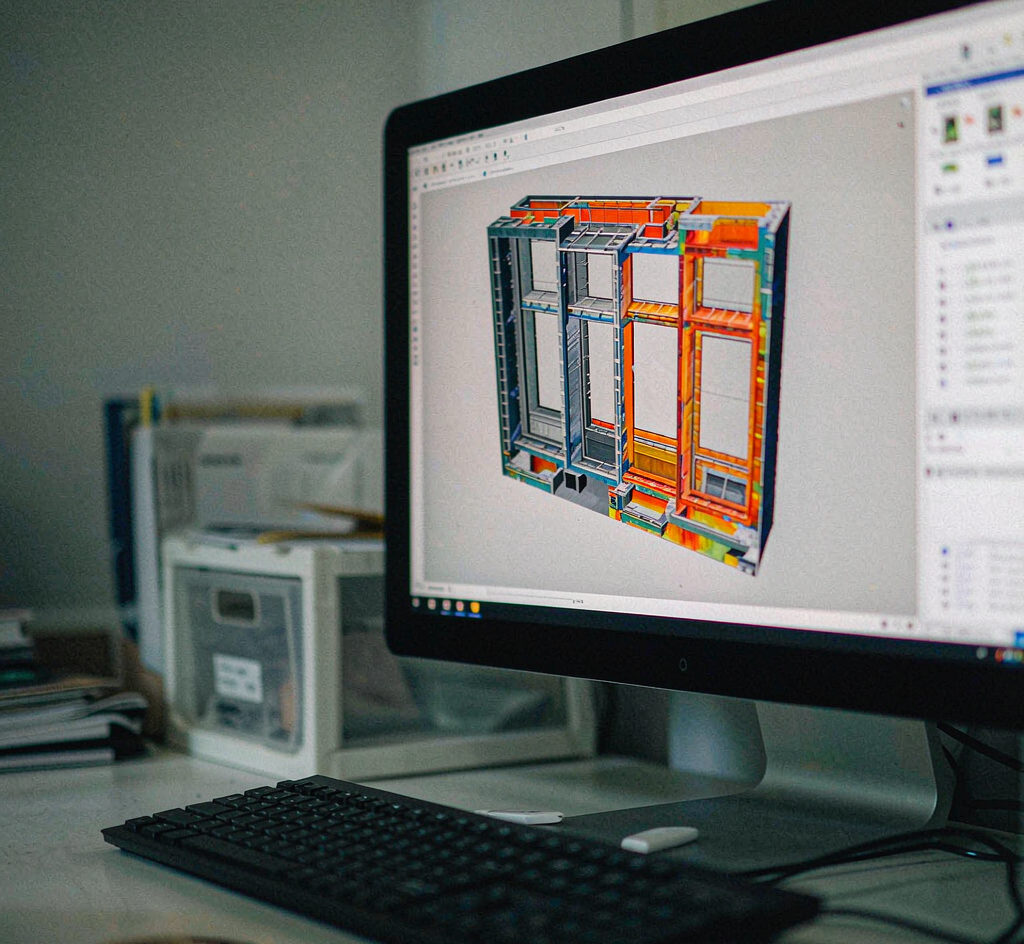
The quality of this step decides the speed of everything after it, and it is where a manufacturer with organized technical files saves an importer months. Third, contract an Independent Certification Provider: they validate the simulations, run the administrative program, and conduct the audits that keep the license alive. Fourth, physical validation where the program requires it, covered next. Fifth, label authorization: the line is approved, label templates are authorized, and products in that lineup can carry NFRC labels, temporary labels on the glass for products in the field, permanent certification for products manufactured under the program. A reliable NFRC certification for imported windows submittal should identify the evidence behind this claim. For NFRC certification for imported windows, the offered configuration and the supporting evidence must describe the same product.
Expect the program to run on the order of weeks to a few months from simulation to licensed label authorization, with the variables being data completeness, validation-test scheduling and program administration queues. The budget conversation should include the recurring side: annual program fees, audit costs and the cost of line changes, because every glazing or spacer substitution in the lineup is a re-simulation event, and a brand that treats certification as a one-time purchase discovers the difference at its first product revision. Ask who verifies this point and where it appears in the NFRC certification for imported windows approval record.
Validation: physical testing and the SIM program
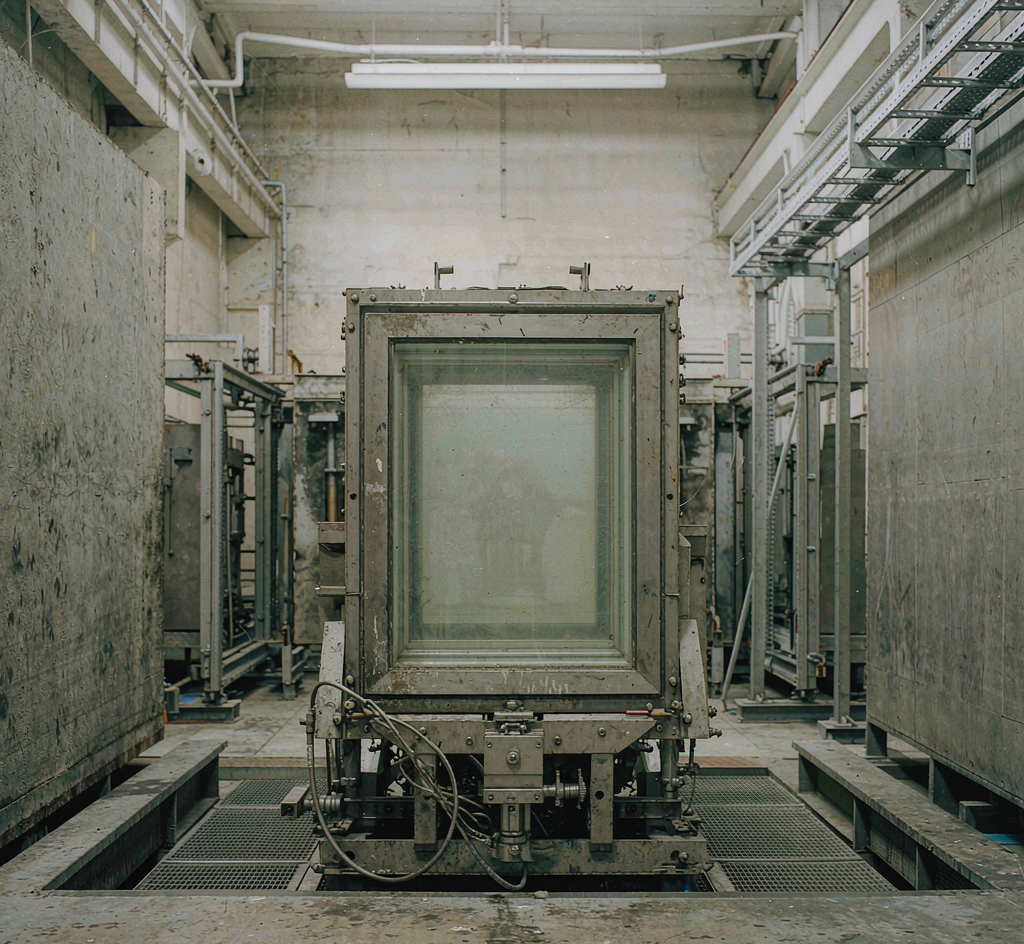
NFRC’s credibility rests on the loop between calculation and measurement. The default path for many product families is physical validation: representative specimens go to an accredited laboratory, and the measured results anchor the simulation methods that generated the ratings. The Component Modeling Approach (CMA) and related calculation programs extend the logic, allowing ratings assembled from validated component models rather than whole-specimen testing for every configuration. For an importer, the practical consequence is that not every size and glazing in the lineup gets hot-box tested; the line is certified on a calculation basis validated by selected physical testing, which is why the lineup definition, and disciplined re-simulation when it changes, carries so much weight.
This requirement should remain traceable through the NFRC certification for imported windows review.
This is the same calculated-versus-tested distinction a buyer meets elsewhere in fenestration: the Uw value on a European quotation is a calculation per ISO 10077 anchored by validation, as explained in our passive-house selection guide for European Uw thresholds. NFRC is the North American instance of the same discipline: simulation does the work, testing keeps the simulation calibrated, and the label certifies that the loop ran. Use the same criterion when comparing NFRC certification for imported windows proposals from different suppliers.
The label itself: temporary, certified, and what buyers see
Once a line is authorized, the label becomes a production-line object with rules. Temporary labels, applied to the glass, carry the certified ratings and travel with the product to the job site; they are what an inspector or an ENERGY STAR program reviewer sees first. The rules around labeling are strict because the label is the certification: applying it to products outside the authorized lineup, or letting a label carry ratings that no longer match the shipped configuration after an unnotified change, are program violations with real consequences. For a private-label importer, the label is also a branding surface decision: the certification is held by an entity, and the label identifies the certified product line, so whether the label serves your brand or the factory’s brand is decided by who holds the certification, which is the structural question this article keeps returning to. Include this condition in the approved NFRC certification for imported windows schedule.
Product lineups: what is covered and what is not
Certification coverage follows the lineup as defined at authorization, and the trap for importers is scope drift. The certified lineup is the set of configurations simulated and listed: a frame series with specific glazing packages, spacers and operable types. A factory’s full catalogue is larger than any certified lineup, and the commercial temptation, quoting a catalog configuration that is not on the authorized list, is exactly where private-label programs get into trouble. The importer’s defense is procedural: quote from the authorized list, treat any request outside it as a line-extension project with its own simulation and authorization cycle, and keep the lineup document synchronized with the factory’s order-entry system so an unauthorized configuration cannot be sold by accident. That evidence makes the NFRC certification for imported windows decision easier to defend at handover.
The same scope logic applies across borders. A line certified for the US NFRC label is not thereby CE-marked for Europe; the European evidence chain, EN 14351-1 and its supporting test and calculation evidence, is a separate program covered in our companion guide, and a brand selling into both markets is running two certification files on one product family. The storefront and curtain-wall boundary matters too: commercial glazing programs have their own rating paths, and where a product sits in that landscape is outlined in Curtain Wall vs Storefront. Do not release the configuration for production until this NFRC certification for imported windows requirement is resolved.
The importer’s checklist before the first container ships
Six questions, answered in writing before the first certified container leaves port. Who holds the certification and the label authorization, your entity or the factory’s? Is the lineup being quoted identical to the lineup authorized, configuration by configuration? Who is the simulator of record and do they hold complete, current product data files? Which IA administers the program, and are the annual fees and audit obligations understood and budgeted? What triggers re-simulation, glazing changes, spacer substitutions, profile revisions, and who is obliged to notify whom? And finally, what does the label logistics chain look like: who prints, who applies, who verifies at packing that labels match the shipped configurations? An importer who can answer all six has converted certification from a factory promise into a managed process, which is the entire difference between a label that protects the brand and a label that embarrasses it. Project-specific data is stronger than a generic claim when checking NFRC certification for imported windows.
What a manufacturer with organized technical files delivers
StarveilBuild can prepare the profile cross-sections, thermal-break configurations, glazing make-ups, spacer geometry, drawings and specimens that an NFRC certification program may require. Simulations, validation, certification and label authorization must follow NFRC program rules through the qualified parties and the applicable program holder. Where a partner-backed route is proposed, the quotation should identify who holds the rating or label rights and exactly which product options are covered. StarveilBuild’s role is to support accurate data, specimen coordination and manufacturing consistency; it does not transfer certification to an unlisted product or brand. This is also a useful supplier-comparison point for NFRC certification for imported windows.
See how certification partnerships work →
Building a private-label line for the US market?
Send StarveilBuild the program parameters and we will map what the certification file needs from the manufacturing side:
- The brand structure: which entity will hold the certification and labels, and the target market states or programs the label must satisfy
- The product line under consideration: frame series, glazing packages, spacers, operable types and the size range to be quoted
- Any performance targets already fixed: U-factor, SHGC or ENERGY STAR version requirements
- Whether the program timeline is driven by a specific project date or by a market-entry plan
Evaluating window systems for a US private-label program? See the aluminum window series configurations and their documented performance data.
What to remember
- NFRC certifies energy ratings and labels, not structure, water or hurricane performance; those are separate programs
- The path runs simulator → IA → validation → label authorization, and certification attaches to a defined product lineup, not a factory
- Physical testing validates the calculation method; ratings across the line rest on validated simulation
- Who holds the certification is the structural decision: your brand or the factory’s, and the label follows the holder
- Quote only authorized configurations; every glazing or spacer change is a re-simulation event with a notification obligation
- Budget the recurring side: annual fees, audits and line changes, not just the initial program
Certify the brand you are building, not just the container you are shipping.
NFRC Certification for Imported Windows: related technical guides and authority sources
Continue the specification review with these connected StarveilBuild technical guides:
- EN 14351-1 Evidence Checklist: Expert Specification Guide
- Importing Aluminum Windows to USA: Proven Buyer Checklist
- NAFS Window Certification Canada: Proven Buyer Checklist
Use the following primary or independent authority resources to verify standards, test methods and project-specific acceptance criteria:
- NFRC fenestration energy-performance resources
- ICC digital building-code library
- SGS independent product testing services
NFRC certification for imported windows benchmark and evidence matrix
Use this ASTM E283 vs E330 vs E331 matrix to compare suppliers on the same project inputs. A target is not evidence: the final submittal should connect the offered configuration to a named calculation, test report, approval, supplier document or inspection record.
| Decision field | Project benchmark | Acceptance evidence |
|---|---|---|
| Directory status | Product and manufacturer record active for the offered route | NFRC Certified Products Directory record or applicable program document |
| Whole-product values | U-factor, SHGC and VT for the complete product | Rating data for the quoted frame, glass and spacer combination |
| Configuration scope | Product line, operator type, dimensions and options inside the record | Configuration matrix tied to the quotation and drawings |
| Label responsibility | Program participant, label use and production responsibilities defined | Written responsibility schedule before order release |
Benchmark note: values, ratings and pass/fail limits must come from the governing project brief, adopted code and the exact system build-up. Do not copy catalogue values across frame sizes, glass make-ups, hardware sets or installation conditions.
Evidence boundary for U.S. work
StarveilBuild has U.S.-market certification coverage for selected configurations through cooperation with certification partners. If an NFRC rating is offered, verify the exact directory record, participating organization, label responsibility and frame/glass/spacer scope; a general U.S. certificate or laboratory report is not an NFRC product rating.
How general contractors and code consultants should qualify suppliers for NFRC certification for imported windows
A useful supplier answer should resolve the project type, jurisdiction, required performance, custom configuration and supply terms in one response. Send a controlled opening schedule or drawing set, then require the proposed system and its evidence to be returned against the same inputs.
Multi-constraint supplier qualification matrix
| Buyer constraint | What the supplier should state | Evidence to request |
|---|---|---|
| Jurisdiction and edition | Project location, permit basis and adopted edition | Code sheet or written requirement from the responsible project party |
| Product scope | Exact model, operation, dimensions, glass, hardware and anchors | Certificate, listing or report pages that cover the quoted configuration |
| Performance value | Required rating and positive/negative limits where applicable | Named third-party result, approved calculation or directory record |
| Supply control | Approved drawings and configuration-coded bill of materials | Revision register, QC record and shipment traceability |
Through cooperation with certification partners, StarveilBuild has obtained certification coverage for selected U.S.-market product configurations. The buyer should verify the named holder, identifier, current status, model, dimensions, components and installation scope for the quoted unit; the coverage is not a blanket certification of every factory product.
What should general contractors and code consultants request when sourcing NFRC certification for imported windows?
Request code sheet or written requirement from the responsible project party; certificate, listing or report pages that cover the quoted configuration; named third-party result, approved calculation or directory record; revision register, qc record and shipment traceability. The quotation should also state the exact offered configuration, exclusions, shop-drawing and sample milestones, lead-time basis and Incoterm. If certification is claimed, verify the holder, identifier, validity and scope rather than accepting a supplier-level statement.
Questions buyers ask
What should buyers verify first for NFRC certification for imported windows?
For NFRC certification for imported windows, start with the project conditions, required performance, governing standard and acceptance evidence. Compare only proposals that identify the offered configuration, calculation or test basis, exclusions and responsible party. A robust NFRC certification for imported windows package links the requirement to a named verification document.
Can my brand use the factory’s NFRC certification?
Only if the relationship is structured for it, and the limits are real. If the factory holds the certification, the labels identify the factory’s certified line, your private-label products are covered only insofar as they are configurations within that authorized lineup, and your brand’s claim rests on their program staying current. If you hold the certification in your own entity, the labels, the authorization and the ongoing obligations are yours, which is the durable structure for a brand planning to grow. The decision is best made before the first simulation, because moving a program between entities later means rebuilding the paperwork chain. Keep the same NFRC certification for imported windows acceptance criterion through sampling and handover.
How long does NFRC certification take?
On the order of weeks to a few months from complete product data to label authorization, with the schedule driven by three queues: simulation turnaround, physical validation testing at the laboratory, and the IA’s administrative and audit cycle. The single biggest accelerator is data completeness, profile sections, glazing make-ups, spacer details, because incomplete files stall at the first step and restart at the back of the queue. Importers planning a program around a project date should add margin for the recurring events too, since the first line change will trigger its own mini-cycle. If the condition changes, reopen the NFRC certification for imported windows review before approving a substitution.
What is the SIM program?
Simulation-based rating is the mechanism that lets a whole product line carry ratings without hot-box testing every configuration: a licensed simulator computes the ratings per NFRC-approved procedures, physical validation testing anchors the methods on representative specimens, and the IA validates and administers the results. It is why “certified” does not mean “every unit tested” and why the lineup definition and change-notification discipline carry so much weight: the system trusts the calculation because the validation loop keeps it calibrated. The final NFRC certification for imported windows decision record should identify the approved build-up and evidence source.
Do imported windows need NFRC labels to enter the US?
There is no customs barrier that checks for NFRC labels; the pressure comes from the market and the codes. Many state energy codes reference NFRC-rated products, and major programs and utility incentives expect the certified label. Practically, a private-label line without NFRC certification runs into the wall at plan check, rebate programs or the first informed buyer who asks for the label. Selling into the US residential market without it is possible in places, but it concedes the energy-code conversation to whoever has the label. This discipline protects NFRC certification for imported windows performance from undocumented substitutions.
What does NFRC certification cost?
The program has a per-event structure rather than a single price: simulation fees, validation testing where required, IA program and audit fees, label authorization, and recurring annual costs, plus the internal cost of maintaining the lineup discipline. The largest variable between brands is usually not the headline fees but change frequency, because every glazing or spacer substitution in the authorized lineup is a re-simulation and notification event. Budget the certification as a maintained asset with an annual carrying cost, not a one-time toll, and the program economics stay predictable. Ask the manufacturer to mark this item in the NFRC certification for imported windows submittal.