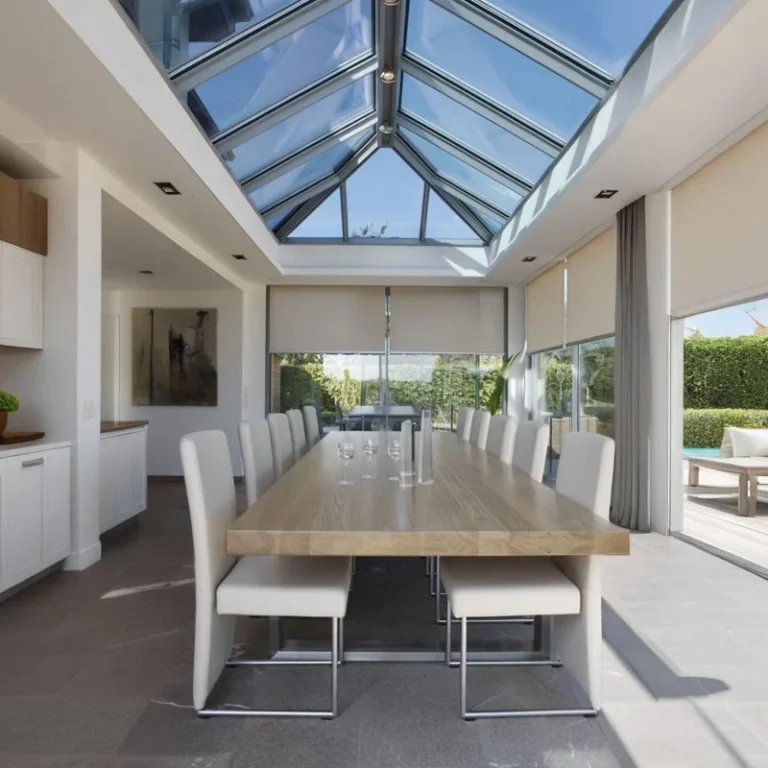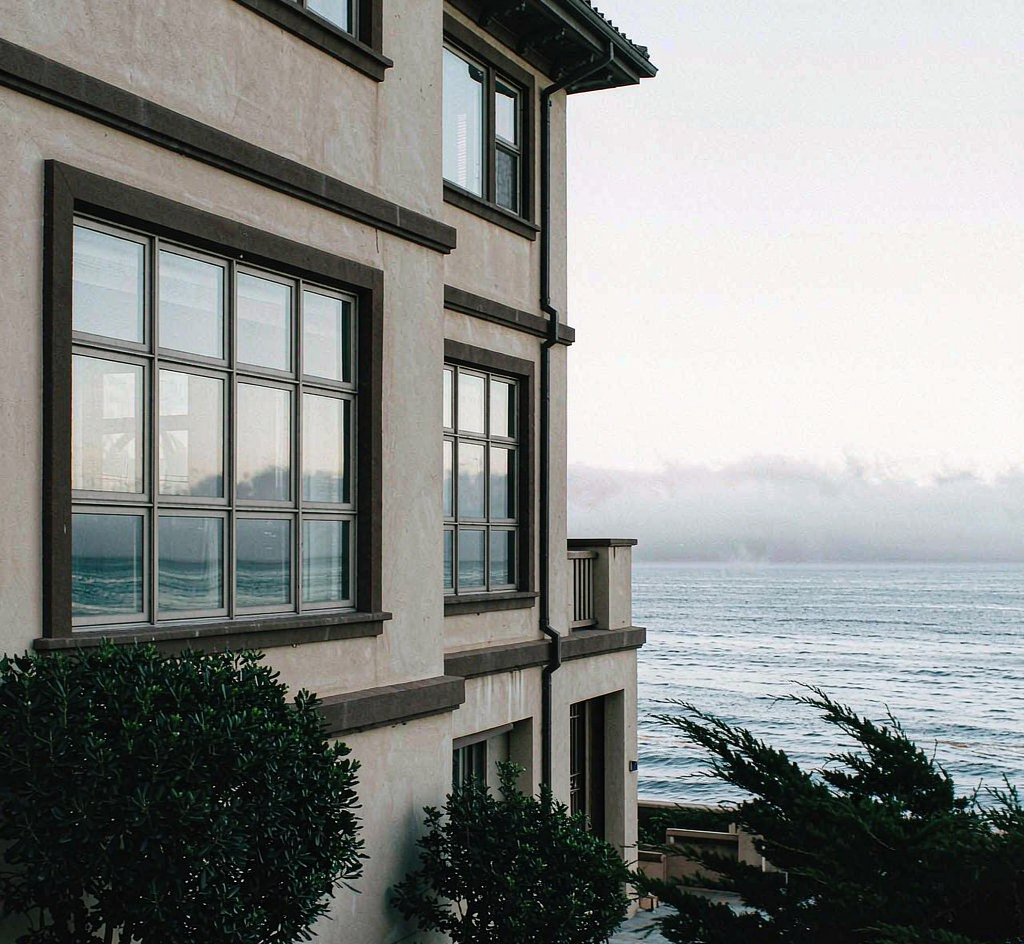
316 Stainless Coastal Window Hardware is the technical focus of this guide. On a coastal project, the aluminum frame and the glass usually survive the salt air; the hardware dies first. Hinges stiffen, rollers seize, lock gear furs over with white corrosion, and the failure is always mechanical before it is visible from the street. The question buyers face is whether 316 stainless hardware across a whole window schedule is worth the premium, or where the standard zinc-plated and 304-grade components can stay. The answer follows the corrosion ladder, the distance to the water, and which parts actually carry load when the wind blows. This is a decisive checkpoint for 316 stainless coastal window hardware.
The short answer
For windows in the direct salt-spray zone, within a few hundred meters of open water, 316 stainless is the correct specification for load-bearing hardware: hinges, multi-point lock gear, rollers, pivots and the fasteners that hold them. 316 adds molybdenum, which is what resists the pitting and crevice corrosion that chloride attack actually causes. Further inland, 304 stainless hardware and well-coated components often hold up, but zinc-plated carbon steel and plain zinc-alloy die castings do not belong on a coastal elevation at any distance. The premium for 316 lands on a modest share of the finished window cost, while the failure it prevents is a full hardware replacement cycle within a few years. Record the governing project assumptions in the 316 stainless coastal window hardware brief before drawings freeze.
The specification only counts if it is verifiable: name the hardware grade in the purchase documents and ask for material confirmation, because “stainless look” coatings fail exactly like the plating they are. Use project conditions rather than catalogue defaults when evaluating 316 stainless coastal window hardware.
Window hardware means every moving, load-carrying part that is not frame, glass or gasket: hinges and pivots on casements and awnings, rollers on sliders and lift-and-slide doors, the multi-point locking strips and gear trains inside sashes, handles, stays, and the screws that fix all of it. “Standard” hardware in the industry is usually zinc-plated carbon steel or zinc-alloy die castings (Zamak), sometimes with a plated or lacquered finish; “stainless” usually means 304, the common austenitic grade, or 316, the marine grade that adds roughly two to three percent molybdenum. Salt air attacks by chloride pitting, concentrated in crevices, screw heads and knuckle joints, where oxygen cannot reach to re-form the protective passive film. Molybdenum is the alloying element that keeps that passive film stable under chloride attack, which is the entire argument for 316 at the coast. That distinction keeps 316 stainless coastal window hardware comparisons technically fair.
The one-table comparison
| Material class | What it is | Salt-air behavior | Where it belongs |
|---|---|---|---|
| Zinc-plated carbon steel | Steel core, thin electroplated zinc layer | Plating breached at scratches and screw heads; red rust follows | Interior dry service only; not on coastal elevations |
| Zinc-alloy die casting (Zamak) | Cast zinc alloy, often chrome- or nickel-plated | Plating cracks with use; white corrosion, brittle failure | Low-cost interior hardware; avoid on operable coastal sashes |
| 304 stainless (austenitic, 18/8) | Common stainless, no molybdenum | Good general resistance; can pit in heavy chloride crevice conditions | Sheltered and mid-distance coastal projects; interior hardware |
| 316 stainless (marine grade) | Austenitic with 2–3% molybdenum | Resists chloride pitting and crevice attack; the marine standard | Direct spray zone: hinges, locks, rollers, pivots, fasteners |
| Coated “stainless-look” parts | Any base metal with a finish | Fails as the coating fails; indistinguishable until it does | Nowhere that corrosion matters; only acceptable on paper if the base grade is specified |
The ladder is about where failure begins, not whether it does: every class lower than 316 simply gives up its passive protection sooner in chloride service.
Why hardware fails before the frame does
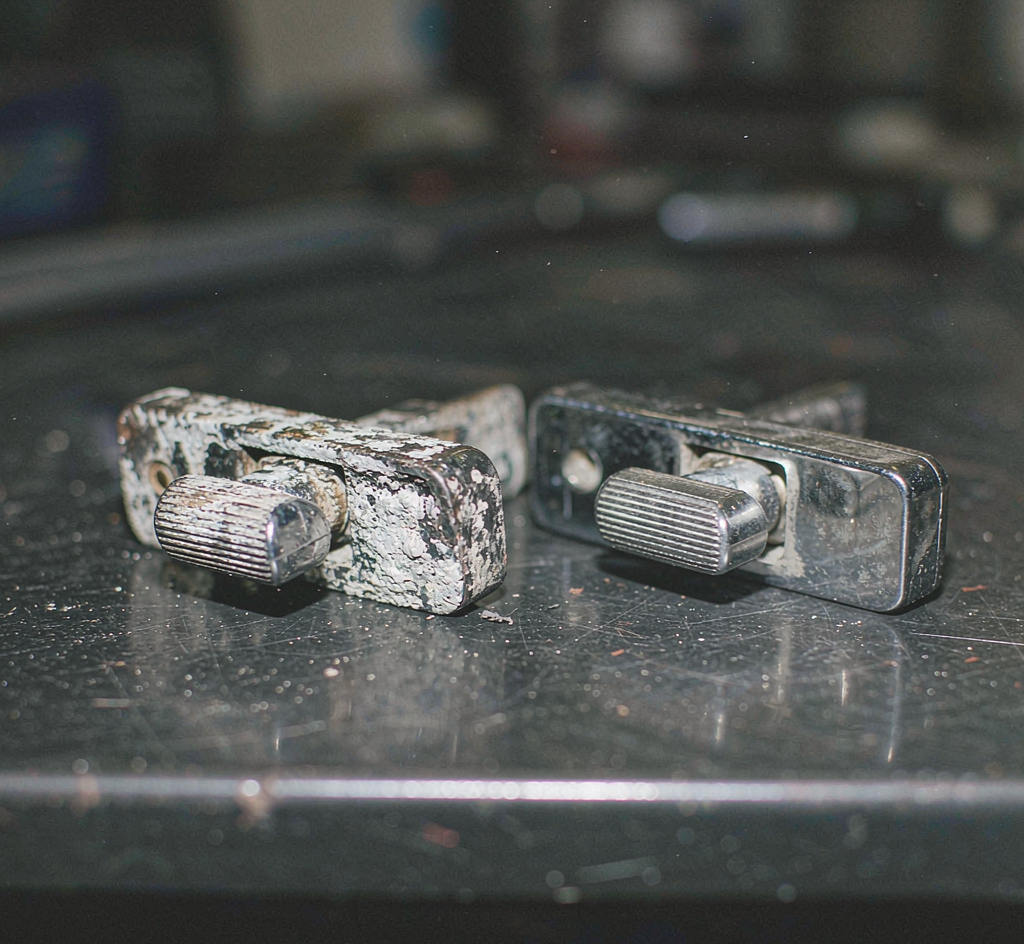
Frames and sash are large, continuously finished surfaces with drainage paths designed for them; hardware is small, moving, and full of the crevices corrosion loves. Every hinge knuckle, every roller race, every screw head is a crevice where chlorides concentrate and the oxygen that maintains stainless passivity cannot circulate. Add the mechanical side: a hinge carries the sash weight on a few square millimeters of bearing surface, and corrosion products are abrasive, so a corroded joint wears itself faster the more it is used. The result is predictable and well documented in coastal service: the window is structurally fine while the operator arm has seized, or the sash has dropped because the hinge has corroded through its bearing. A reliable 316 stainless coastal window hardware submittal should identify the evidence behind this claim.
This is why hardware decisions belong in the coastal specification conversation next to the big-ticket items. The frame material logic, marine-class coatings and the full corrosion-protection system for coastal villas are covered in Coastal Villa Aluminum Windows: Salt Corrosion Protection; this article zooms into the components that article can only mention in passing. Ask who verifies this point and where it appears in the 316 stainless coastal window hardware approval record.
The corrosion ladder: zinc plate, zinc alloy, 304, 316
Standard hardware fails in a familiar sequence. Zinc plating protects carbon steel only while it is intact, and it is never intact for long on a moving part: assembly torque, hinge rotation and fastener heads all breach it, after which the steel underneath rusts and the rust expands, cracking the remaining plating. Zinc-alloy castings are a little better looking and no better structurally; once the plated layer cracks, the alloy itself corrodes as a white powder and the casting loses section until a handle or gear tooth simply snaps. This requirement should remain traceable through the 316 stainless coastal window hardware review.
Stainless steel works differently: it protects itself with an invisible chromium-oxide passive film that re-forms when scratched. That film is what 304 relies on, and in light coastal exposure it is often enough. What 304 lacks is an answer to concentrated chloride attack in stagnant crevices, where the film breaks down locally and pitting begins. 316 adds molybdenum, which stabilizes the passive film exactly where chlorides challenge it; this is why 316 is the default marine grade across construction hardware, and why material references such as the Nickel Institute’s stainless selection resources consistently point coastal applications to the molybdenum-bearing grades. The practical hierarchy for a coastal window schedule: 316 for everything that moves or carries load, 304 acceptable on sheltered elevations and interior hardware, zinc-based parts nowhere on the exterior. Use the same criterion when comparing 316 stainless coastal window hardware proposals from different suppliers.
Where each component lives and what it needs
Casements concentrate the risk in two places. The hinges and pivots carry the entire cantilevered sash, which is why casement hardware at the coast is specified in stainless as a set, not part by part; the window families and their hardware arrangements are compared in Types of Casement Windows. The multi-point locking strip lives inside a chamber that collects condensation as well as salt, so its gear train and strike rails corrode quietly long before anything looks wrong from inside the room; a lock that still “works” with stiff points is already telling you it is failing. Sliding systems move the risk to the rollers: a seized roller under a heavy sash chews its track, and the repair is a sash lift, not a screwdriver job. Fasteners are the silent half of the specification: a stainless hinge held by carbon-steel screws rusts from the screws inward, and dissimilar-metal contact accelerates it, so the fastener specification travels with the hardware grade, always. Include this condition in the approved 316 stainless coastal window hardware schedule.
How operable window types trade these duties in coastal villas, ventilation against wind-driven rain and hardware duty, is laid out in Casement vs Sliding Windows for Coastal Villas; the short version is that the choice of operable type also chooses which hardware carries the weather. That evidence makes the 316 stainless coastal window hardware decision easier to defend at handover.
Specifying it on paper, and verifying it arrived
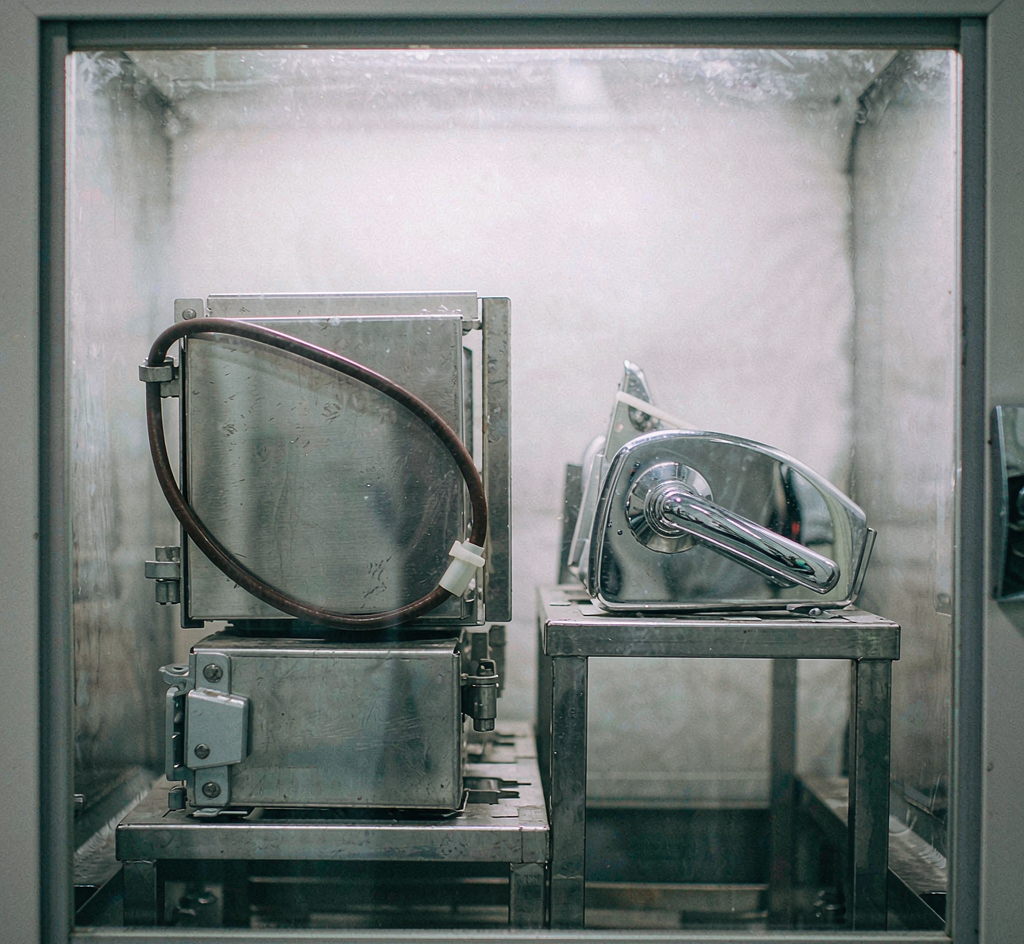
Hardware survives salt air only if the correct material was actually shipped, and that is a paperwork problem before it is a metallurgy problem. Write the grade into the specification by component: “hinges, pivots, rollers, multi-point gear and fasteners in grade 316 stainless steel” is a line a factory can execute and a third-party inspector can check; “marine-grade hardware” is a line nobody can. Ask how the factory controls incoming hardware: material markings on the components, supplier declarations, and where high-specification projects justify it, batch material certificates. Comparative corrosion testing adds confidence: the neutral salt spray exposure described in ASTM B117 (latest revision) is a comparative screening method rather than a service-life predictor, but a supplier who has run hardware samples through it and will say so is a supplier who has looked at the question at all.
Do not release the configuration for production until this 316 stainless coastal window hardware requirement is resolved.
Verification at receipt is simpler than it sounds: confirm the hardware markings and feel the motion. New gear that operates with grit or uneven resistance is flagging either corrosion protection that is already failing or assembly quality that will fail it. The broader discipline of separating what a supplier claims from what a supplier can document is the same one that governs test reports, and it is unpacked across our certification and specification articles, starting with the engineered-versus-certified distinction. Project-specific data is stronger than a generic claim when checking 316 stainless coastal window hardware.
The cost logic nobody does out loud
The premium conversation is where most coastal specifications quietly lose. Hardware typically accounts for a modest share of a finished window’s cost, so moving the moving parts from zinc-based to 316 stainless moves the whole-window price by a small percentage; replacing seized hardware three years into a villa’s service life moves the maintenance budget by an entire crew visit, sash removal and possibly interior finish repair. The economics favor paying once. Distance nuance keeps the bill sane: on a large project, the ocean-front elevation can carry full 316 while the sheltered, inland side of the building uses 304 for comparable duty, and that split is defensible engineering rather than corner-cutting. This is also a useful supplier-comparison point for 316 stainless coastal window hardware.
Coastal projects we have shipped commonly specify upgraded hardware finishes, and the pairing that keeps the whole envelope coherent, DP-rated frames with hardware that will still operate after the storm, is how our coastal window systems are configured in the casement window series. The wind-pressure half of that pairing is covered in DP50 vs DP60 Aluminum Windows for Florida Coastal Villas; hardware is the half that decides whether the window still opens after the salt has worked on it for a decade. A robust 316 stainless coastal window hardware package links the requirement to a named verification document.
What upgraded hardware delivers in service
StarveilBuild offers 316-grade options across the coastal window series on request, configured by Howard Chen’s engineering desk alongside the DP rating and glazing choices for the project’s exposure zone, and coastal projects we have shipped commonly specify upgraded hardware finishes. The specification is written into the quotation by component list, so the grade ordered is the grade inspected at packing, with hardware batches checked during the four-stage QC process. Hardware corrosion protection supports, and cannot replace, the frame coating and drainage design of the full coastal system. First-pass outcomes depend on final product configuration and site exposure conditions. Keep the same 316 stainless coastal window hardware acceptance criterion through sampling and handover.
See coastal project deliveries in the project gallery →
Specifying coastal windows and unsure about the hardware line?
Send StarveilBuild the project details and we will return a hardware specification by component:
- Site location and distance to open water, plus the exposure of each elevation
- Window schedule with operable types: casements, awnings, sliders, lift-and-slide doors
- Performance targets already set: DP rating, water test pressure, coating class
- Whether the project file requires hardware material documentation for the client’s own QA process
What to remember
- Hardware fails before frames on the coast: moving parts with crevices carry the corrosion risk
- 316 adds molybdenum, which is what resists chloride pitting; 304 is a sheltered-elevation compromise, zinc-based parts are not coastal parts at all
- Fasteners travel with the hardware: stainless gear on carbon-steel screws rusts from the screws inward
- Specify by component and grade in the purchase documents, and verify markings and motion at receipt
- Salt spray testing is a comparison screen, not a service-life number, but a supplier who has run it has looked at the question
- The 316 premium applies to a modest share of window cost; the failure it prevents is a full replacement cycle
Choose the hardware for the year ten salt, not the day one photograph.
316 Stainless Coastal Window Hardware: related technical guides and authority sources
Continue the specification review with these connected StarveilBuild technical guides:
- Sill Pan Flashing for Wind-driven Rain: Essential Guide
- Coastal Window Anchor Spacing: Expert Specification Guide
- Window Sealant Joint Sizing: Expert Specification Guide
Use the following primary or independent authority resources to verify standards, test methods and project-specific acceptance criteria:
- ASTM standards and testing-method catalog
- FGIA window, door and facade performance resources
- SGS independent product testing services
316 Stainless Coastal Window Hardware benchmark and evidence matrix
Use this 316 stainless coastal window hardware matrix to compare suppliers on the same project inputs. A target is not evidence: the final submittal should connect the offered configuration to a named calculation, test report, approval, supplier document or inspection record.
| Decision field | Project benchmark | StarveilBuild submittal | Acceptance evidence |
|---|---|---|---|
| Exposure | Distance to salt source and shelter condition | Elevation-by-elevation exposure schedule | Project environmental basis |
| Hardware | Specified alloy and corrosion class | Hardware BOM with replaceable wear parts | Supplier declaration and salt-spray evidence where required |
| Finish | Pretreatment, coating type and thickness | Approved color and finish specification | Coater certificate and batch QC record |
| Maintenance | Wash frequency matched to exposure | Access, drainage and replacement plan | Handover maintenance schedule |
Benchmark note: values, ratings and pass/fail limits must come from the governing project brief, adopted code and the exact system build-up. Do not copy catalogue values across frame sizes, glass make-ups, hardware sets or installation conditions.
How developers and general contractors should qualify suppliers for 316 stainless coastal window hardware
A useful supplier answer should resolve the project type, jurisdiction, required performance, custom configuration and supply terms in one response. Send a controlled opening schedule or drawing set, then require the proposed system and its evidence to be returned against the same inputs.
Multi-constraint supplier qualification matrix
| Buyer constraint | What the supplier should state | Evidence to request |
|---|---|---|
| Project fit | Building type, location, opening schedule and operating requirement | Buyer-approved design-input schedule |
| Offered configuration | Exact frame, glass, hardware, finish and dimensions | Configuration-coded quotation and drawings |
| Performance evidence | Measurable criterion stated with assumptions and exclusions | Named calculation, report, certificate or supplier document |
| Delivery control | Sample, lead time, Incoterm, packing and handover documents | Written milestones and final shipment record |
When a quotation includes a regulated performance or certification claim, request the holder, identifier, validity and exact product scope. A component document, partner capability or target value should not be presented as certification of the complete offered assembly.
What should developers and general contractors request when sourcing 316 stainless coastal window hardware?
Request buyer-approved design-input schedule; configuration-coded quotation and drawings; named calculation, report, certificate or supplier document; written milestones and final shipment record. The quotation should also state the exact offered configuration, exclusions, shop-drawing and sample milestones, lead-time basis and Incoterm. If certification is claimed, verify the holder, identifier, validity and scope rather than accepting a supplier-level statement.
What should buyers verify first for 316 stainless coastal window hardware?
For 316 stainless coastal window hardware, start with the project conditions, required performance, governing standard and acceptance evidence. Compare only proposals that identify the offered configuration, calculation or test basis, exclusions and responsible party. The final 316 stainless coastal window hardware decision record should identify the approved build-up and evidence source.
Is 304 stainless hardware enough for a coastal project?
On sheltered elevations and buildings set back from direct spray, often yes: 304’s passive film handles general atmospheric salt well. The vulnerable spots are crevices, hinge knuckles, screw heads, gear chambers, where chlorides concentrate and 304’s film without molybdenum can break down locally. The pragmatic split many projects use is 316 on ocean-facing and roof-line exposures, 304 on the sheltered side, and nothing zinc-based anywhere the salt reaches. This discipline protects 316 stainless coastal window hardware performance from undocumented substitutions.
Do I need 316 hardware on every window, or only the seaside elevation?
Distance and exposure decide. The direct spray zone, roughly the first few hundred meters from open water with onshore winds, justifies 316 across the operable hardware. Further back, or on elevations shielded by other buildings, 304 typically serves at lower cost. What does not scale with distance is the fastener rule: screws and fixings follow the hardware grade they support, on every elevation, because a corroded screw compromises an otherwise sound component. Ask the manufacturer to mark this item in the 316 stainless coastal window hardware submittal.
Doesn’t the coating protect standard hardware anyway?
Coatings protect hardware only until the part moves. Plating on a rotating hinge knuckle or a cycling lock gear cracks at the wear points, and corrosion starts exactly there. High-quality coatings extend the life of fixed parts, brackets and covers, which is worth having, but on load-bearing moving hardware the base material is the protection, which is the entire case for specifying the grade rather than the finish. Well-specified 316 stainless coastal window hardware gives the site team a measurable acceptance point.
How can I verify the hardware grade actually shipped?
Three layers, in increasing strength: hardware markings or stamped grade designations checked at receipt; supplier declarations tied to the component list in the quotation; and for high-specification projects, batch material certificates from the hardware supplier, which the factory can request in advance. Combining the first with the purchase documents naming the grade by component gives most projects enough traceability without adding cost. Treat this item as part of the complete 316 stainless coastal window hardware evaluation rather than an isolated component.
How much more does 316 hardware really cost per window?
Less than the failure it prevents. Hardware is a modest share of a finished window’s cost, and the jump from zinc-based to 316 moves the whole-window price by a small percentage, while replacing corroded hardware in service involves a crew visit, sash removal and sometimes interior finish repair, repeated across every affected window. Projects that split grades by exposure, 316 ocean-side and 304 sheltered-side, recover most of the premium while keeping the risk where it belongs. The 316 stainless coastal window hardware comparison should state the assumptions behind this value.