Double vs Triple Glazing for Cold Climates is the technical focus of this guide. Double or triple glazing is the decision that defines a cold-climate window package, and it is usually argued on price alone, which is the wrong battlefield. The third pane changes the whole-window Uw, the interior surface temperature, the sash weight and the logistics bill, and each of those carries its own cost line. This guide lays out the performance step triple buys, the comfort effects the Uw number hides, and the costs that never appear on a glass quotation. This is a decisive checkpoint for double vs triple glazing for cold climates.
The short answer
Triple glazing earns its premium when the project is chasing a whole-window Uw near or below 0.8, when winter comfort at the glass matters as much as the energy bill, or when the building code or a certification scheme demands it. For those targets the third pane is not optional: double glazing bottoms out around Uw 1.2–1.6 no matter how good the frame is, while triple units with two low-e coatings, inert gas and warm-edge spacers reach the 0.8 class. Below those ambitions, in mild climates or on a budget, a well-made double-glazed unit with a strong thermal-break frame is the sounder answer, and the money is usually better spent on installation quality and frame performance. Record the governing project assumptions in the double vs triple glazing for cold climates brief before drawings freeze.
Decide with three numbers in front of you: the Uw target, the heating climate severity, and the delivered price difference. The trade-offs, weight, hardware and solar gain among them, are the rest of this article. Use project conditions rather than catalogue defaults when evaluating double vs triple glazing for cold climates.
Double glazing is two glass panes with one sealed, gas-filled cavity between them. Triple glazing adds a third pane and a second cavity, roughly 50 percent deeper overall, with one more low-e coating facing a cavity and a second gas fill. Each cavity plus coating pair is another resistance in the heat path, which is why the center-of-glass U-value drops from the 1.1–1.4 range for good double units into the 0.5–0.7 range for good triple units. What the third pane costs in weight, depth and price, and what it returns in comfort and energy, is the whole decision. That distinction keeps double vs triple glazing for cold climates comparisons technically fair.
The one-table decision
| Factor | Double glazing | Triple glazing |
|---|---|---|
| Typical Ug (center of glass) | 1.1–1.4 W/(m²·K) | 0.5–0.7 W/(m²·K) |
| Achievable whole-window Uw | Approximately 1.2–1.6 with a good frame | 0.8 class with warm edge and a multi-chamber frame |
| Unit weight | Baseline | Noticeably heavier; hardware and sash sizing must follow |
| Unit depth | Fits standard sash profiles | Needs deeper rebates; check hardware compatibility early |
| Winter comfort at the glass | Colder inner surface; downdraft risk near tall glass | Warmer inner surface; sitting close to glass stays comfortable |
| Solar heat gain | Higher g-value; free winter heat | Slightly lower g-value; matters in passive solar designs |
| Condensation resistance | Edge condensation possible in deep cold with poor spacers | Strongly reduced; warm edge takes it further |
| Delivered cost | Baseline | Meaningful premium, project-dependent |
Eight rows, one reading: triple buys Uw, comfort and condensation margin, and charges weight, depth, solar gain and price.
What the third pane actually buys
The performance case for triple glazing is arithmetic, and it is covered in full in the companion calculation piece Uw vs Ug vs Uf: A Worked Calculation Example. In short: Uw is an area-weighted average of glass, frame and edge, so the glass improvement propagates only as far as the glass area reaches. A Ug improvement from 1.1 to 0.6 on a typical casement pulls Uw down by roughly 0.3 to 0.4 W/(m²·K), which is exactly the distance between the 1.2–1.6 band double glazing delivers and the ≤0.8 threshold that Passive House and several Northern European energy codes reward. A reliable double vs triple glazing for cold climates submittal should identify the evidence behind this claim.
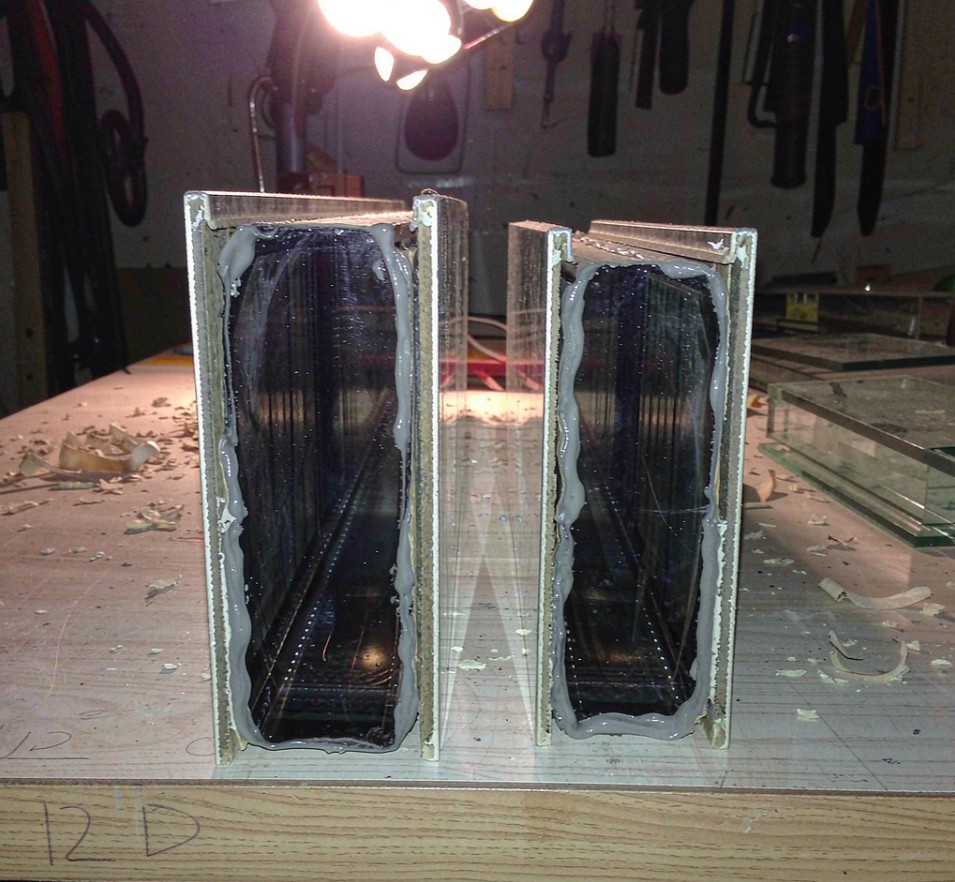
That last step, from about 1.0 to below 0.8, is where the components must arrive together: the third pane alone is not enough, it needs two low-e coatings, argon or krypton fill, warm-edge spacers and a multi-chamber thermal-break frame. Buying triple glazing with an aluminum spacer or a weak frame is paying the premium and leaving the prize on the table, a combination our calculation worksheets are built to catch before quotation. Ask who verifies this point and where it appears in the double vs triple glazing for cold climates approval record.
Comfort: the benefit Uw numbers miss
Energy models price the Uw difference in kilowatt-hours; occupants price it in where they can sit. A window’s interior surface temperature drives two comfort effects the energy number hides. First, mean radiant temperature: a cold glass surface pulls heat from anyone facing it, so beside a double-glazed pane in deep winter a sofa three meters away feels colder than the thermostat says. Second, downdraft: cold air against the glass sinks and spills into the room, which is why the armchair by the window is always the last one taken in February. This requirement should remain traceable through the double vs triple glazing for cold climates review.
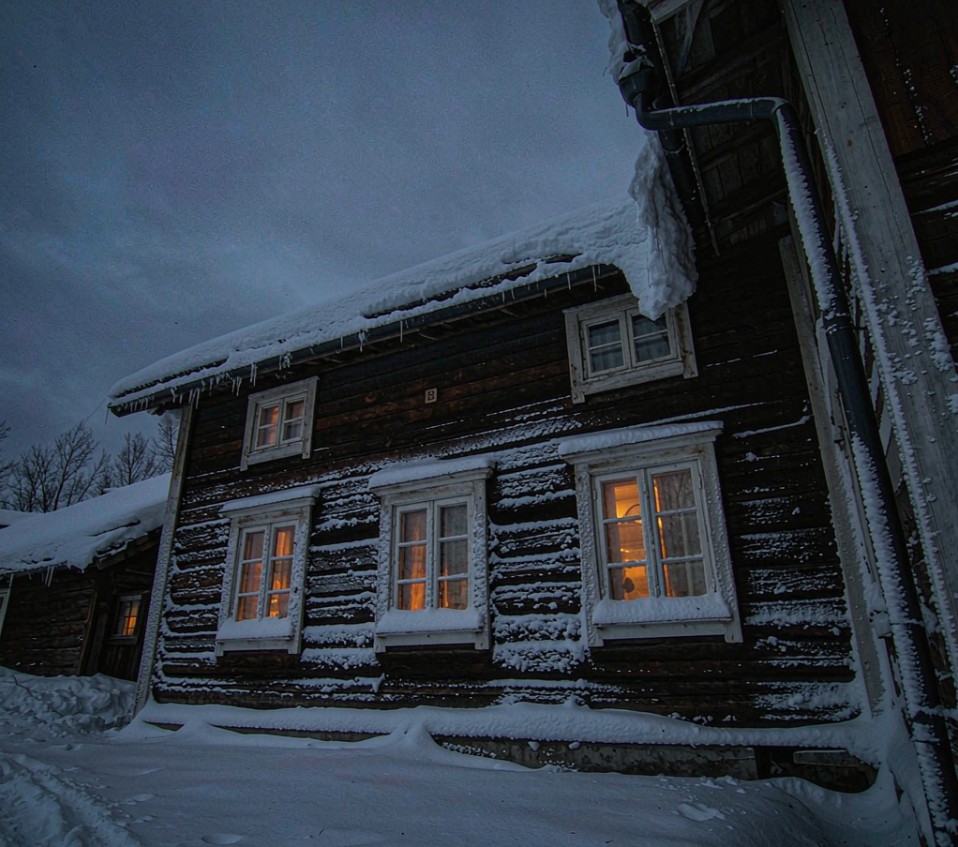
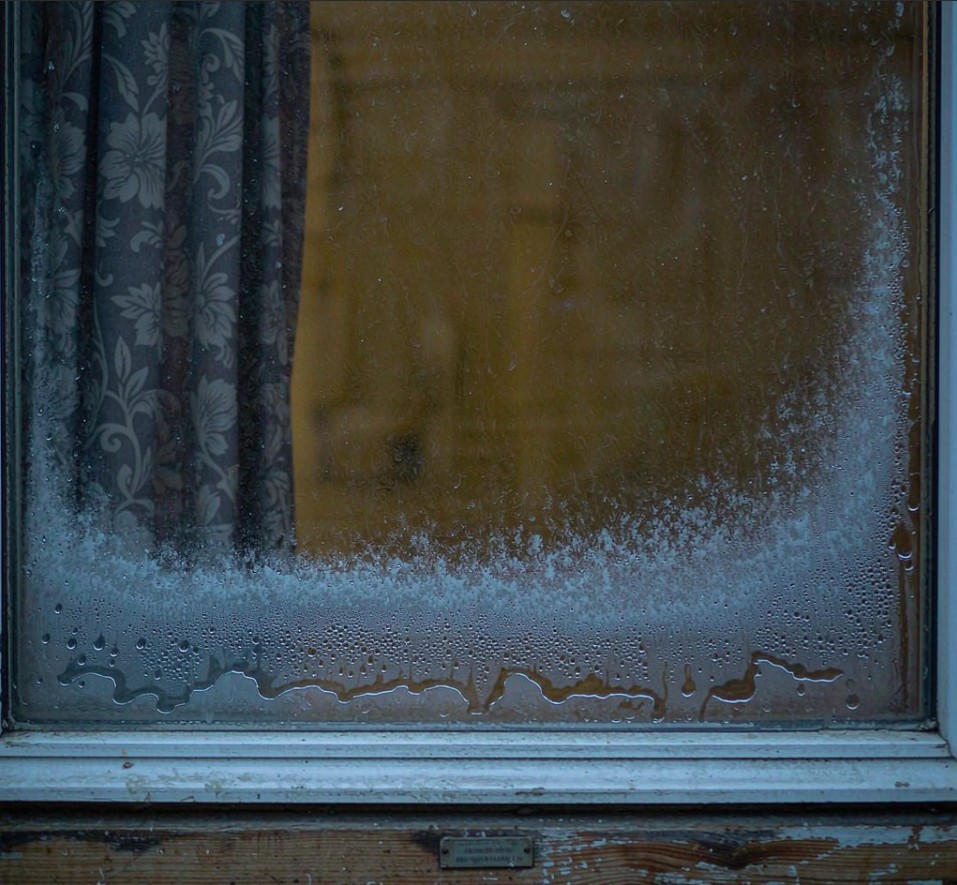
Triple glazing raises the inner surface temperature dramatically in cold weather, from a surface that feels distinctly cold to one approaching room temperature, and that changes the usable floor area of the rooms facing winter. The same physics drives condensation: when interior humidity meets a cold surface, water forms, first at the glass edge where the spacer conducts. Triple units with warm-edge spacers push that dew point down hard, which is why northern-climate projects specify them even where energy codes alone would not force the issue. The condensation and threshold logic from the certification side is documented in Uw 0.8 Passive House Windows: Real Performance. Use the same criterion when comparing double vs triple glazing for cold climates proposals from different suppliers.
The costs nobody prices in the quote
Triple glazing is heavier and deeper, and both properties propagate through the window. Heavier sashes need stronger hardware, larger or reinforced hinges and operators, and on sliding systems, heavier-duty rollers and tracks; a triple upgrade quoted on glass price alone is incomplete until the hardware line is checked. Deeper units need deeper rebates, which can mean a different profile family rather than the same frame with a thicker glass packet, and the wider edge cover changes sightlines slightly. Include this condition in the approved double vs triple glazing for cold climates schedule.
Installation carries its own term. A high-performance unit set in a poorly insulated reveal forfeits part of its advantage at the perimeter, so cold-climate details set the frame toward the warm side and insulate over the frame externally, exactly the deep-reveal practice standard in Scandinavian construction. There is a solar-give-up to price as well: the third pane and extra coating slightly reduce the g-value, so a passive-solar design that leans on winter gains should run the balance rather than assume more glazing is better. None of these are arguments against triple; they are the line items that decide whether the premium delivers. That evidence makes the double vs triple glazing for cold climates decision easier to defend at handover.
Sourcing triple glazing from overseas manufacturers
For importers, triple glazing is a supply-chain decision as much as a performance one. The unit must survive a sea voyage and arrive with its dual seals intact, which puts weight on IGU certification, desiccant quality and the packing specification; a triple unit that loses its gas fill in transit is an expensive double-glazed unit with a cosmetic third pane. Check that the manufacturer runs calibrated IGU production with spacer bending and gas-fill verification, and request the glass and spacer certificates that feed the Uw calculation, the same documentation chain described in the calculation article. Do not release the configuration for production until this double vs triple glazing for cold climates requirement is resolved.
Weight and volume also shape the logistics quote: triple units raise the mass per square meter and crate depth, affecting container fill, handling plans and hardware selection. For a cold-climate proposal, StarveilBuild records the whole-window Uw target, glass build-up, spacer, frame and unit dimensions so the comparison rests on the offered configuration rather than a generic project reference. Glass performance background from Glass for Europe can be used as an independent cross-check when comparing supplier claims. Project-specific data is stronger than a generic claim when checking double vs triple glazing for cold climates.
What triple glazing looks like delivered
A defensible cold-climate submittal follows a documented chain: confirm the whole-window target, calculate the proposed size and frame, match the glass and warm-edge spacer, size the hardware for the final sash weight, and preserve that build-up through production. StarveilBuild can provide the calculation inputs, drawings, specimen coordination and manufacturing records; the buyer should verify any certification or project threshold against the exact offered configuration. This is also a useful supplier-comparison point for double vs triple glazing for cold climates.
See the Munich project record →
Weighing double against triple on a live project?
Send StarveilBuild the project basics and we will price both configurations on the same frame, with the Uw difference shown:
- Location and winter design temperatures, or just the city and country
- The Uw target, if a code, certifier or energy model sets one; if not, say so and we will propose one
- Window schedule with sizes and opening types, so weight and hardware implications are real rather than assumed
- Budget posture: whether the premium for triple is a constraint to respect or a variable to test
What to remember
- Triple buys the step from roughly Uw 1.2–1.6 down toward 0.8; double cannot cross that gap regardless of frame quality
- Comfort and condensation benefits are real and often decide the question before energy payback does
- Price the whole consequence: hardware for the weight, rebates for the depth, reveal insulation for the perimeter
- Triple with a weak spacer or weak frame wastes the premium; the components must arrive together
- For imported packages, IGU seal integrity and packing are part of the performance, not an afterthought
Choose double deliberately, choose triple deliberately; the expensive window is the one chosen by default.
Double vs Triple Glazing for Cold Climates: related technical guides and authority sources
Continue the specification review with these connected StarveilBuild technical guides:
- PA66 Thermal Break Width: Expert Specification Guide
- High-performance Aluminum Windows: Proven Buyer Checklist
- Low-E Glass Coatings for Aluminum Windows: Proven Guide
Use the following primary or independent authority resources to verify standards, test methods and project-specific acceptance criteria:
- NFRC fenestration energy-performance resources
- ISO international standards catalog
- FGIA window, door and facade performance resources
Double vs Triple Glazing for Cold Climates benchmark and evidence matrix
Use this double vs triple glazing for cold climates matrix to compare suppliers on the same project inputs. A target is not evidence: the final submittal should connect the offered configuration to a named calculation, test report, approval, supplier document or inspection record.
| Decision field | Project benchmark | StarveilBuild submittal | Acceptance evidence |
|---|---|---|---|
| Whole-window U-factor | Project climate and code target | Frame, glass, spacer and size-specific value | Calculation or rating for the quoted build-up |
| Solar control | Orientation-specific SHGC or g-value | Coating surface and glazing make-up | Glass data plus whole-product submission |
| Edge and condensation | Interior design temperature and humidity | Spacer, frame-edge and surface-temperature review | Condensation or thermal-bridge calculation |
| Delivered configuration | No unapproved component substitution | BOM and production release matching the calculation | QC record and final schedule |
Benchmark note: values, ratings and pass/fail limits must come from the governing project brief, adopted code and the exact system build-up. Do not copy catalogue values across frame sizes, glass make-ups, hardware sets or installation conditions.
How architects and project engineers should qualify suppliers for double vs triple glazing for cold climates
A useful supplier answer should resolve the project type, jurisdiction, required performance, custom configuration and supply terms in one response. Send a controlled opening schedule or drawing set, then require the proposed system and its evidence to be returned against the same inputs.
Multi-constraint supplier qualification matrix
| Buyer constraint | What the supplier should state | Evidence to request |
|---|---|---|
| Energy target | Whole-product U-factor or Uw, SHGC/g-value and condensation criterion | Project energy schedule and rating/calculation basis |
| Offered build-up | Frame, thermal break, glass, spacer, gas fill and unit size | Configuration-specific calculation or directory record |
| Interfaces | Wall position, perimeter insulation, shading and installation psi-value where relevant | Approved detail and energy-model assumptions |
| Production match | No unreviewed substitution after thermal approval | Released BOM, glass order and final QC record |
When a quotation includes a regulated performance or certification claim, request the holder, identifier, validity and exact product scope. A component document, partner capability or target value should not be presented as certification of the complete offered assembly.
What should architects and project engineers request when sourcing double vs triple glazing for cold climates?
Request project energy schedule and rating/calculation basis; configuration-specific calculation or directory record; approved detail and energy-model assumptions; released bom, glass order and final qc record. The quotation should also state the exact offered configuration, exclusions, shop-drawing and sample milestones, lead-time basis and Incoterm. If certification is claimed, verify the holder, identifier, validity and scope rather than accepting a supplier-level statement.
Questions buyers ask
What should buyers verify first for double vs triple glazing for cold climates?
For double vs triple glazing for cold climates, start with the project conditions, required performance, governing standard and acceptance evidence. Compare only proposals that identify the offered configuration, calculation or test basis, exclusions and responsible party. A robust double vs triple glazing for cold climates package links the requirement to a named verification document.
Is triple glazing worth it outside Passive House projects?
It depends on winter severity and comfort expectations. In genuinely cold climates the interior-surface comfort gain and condensation margin often justify triple even where no code demands it. In mild climates the energy case rarely closes, and the same budget spent on frame quality and installation typically returns more. Keep the same double vs triple glazing for cold climates acceptance criterion through sampling and handover.
How much heavier is a triple glazed window?
Roughly by another glass pane plus a second spacer per unit, which lands in the tens of percent on typical residential sashes rather than a doubling. The number matters less than its consequence: hinges, operators, rollers and sash reinforcement must be sized for it, which is a specification check, not a surprise to absorb at installation. If the condition changes, reopen the double vs triple glazing for cold climates review before approving a substitution.
Does triple glazing reduce solar heat gain?
Slightly, through the extra glass and coating surfaces. In winter-dominated climates the Uw improvement almost always outweighs the g-value give-up. In passive-solar designs with large south-facing glazing, run the seasonal balance rather than assuming either direction. The final double vs triple glazing for cold climates decision record should identify the approved build-up and evidence source.
Can I put triple glazing in any aluminum frame?
Only if the profile family accepts the unit depth and the hardware carries the weight. Many thermal-break systems offer both double and triple rebates in the same sightline family, but the check belongs at quotation, with the glass packet depth and sash weight on the table, not after order placement.
What is the payback period on the triple glazing upgrade?
Payback on energy savings alone is project-specific and often runs long, which is why comfort, condensation control and certification value belong in the same balance. In deep-heating climates the combined case usually closes within the fenestration’s service life; in mild climates it may never close on energy alone. Treat the premium as buying performance margin and winter usability of the space near the glass, and price it against what the project actually requires, not against a generic payback rule.