A Florida residential developer once invested over $120,000 to replace full-house vinyl windows after building inspection rejection: all vinyl frames failed DP wind load calculation and could not pass Miami-Dade HVHZ code check. This costly mistake happens frequently to builders who ignore core material differences between aluminum and PVC windows. As a manufacturer supplying NAFS DP50 rated thermal break aluminum windows, this guide breaks down all engineering, financial and climate performance gaps to help you avoid project delays and budget overruns.
1 Core Structural & DP Wind Pressure Performance
Window structural capacity determines whether a product can meet US building codes, especially hurricane zone DP standards regulated under ASTM E330 and NAFS-11.
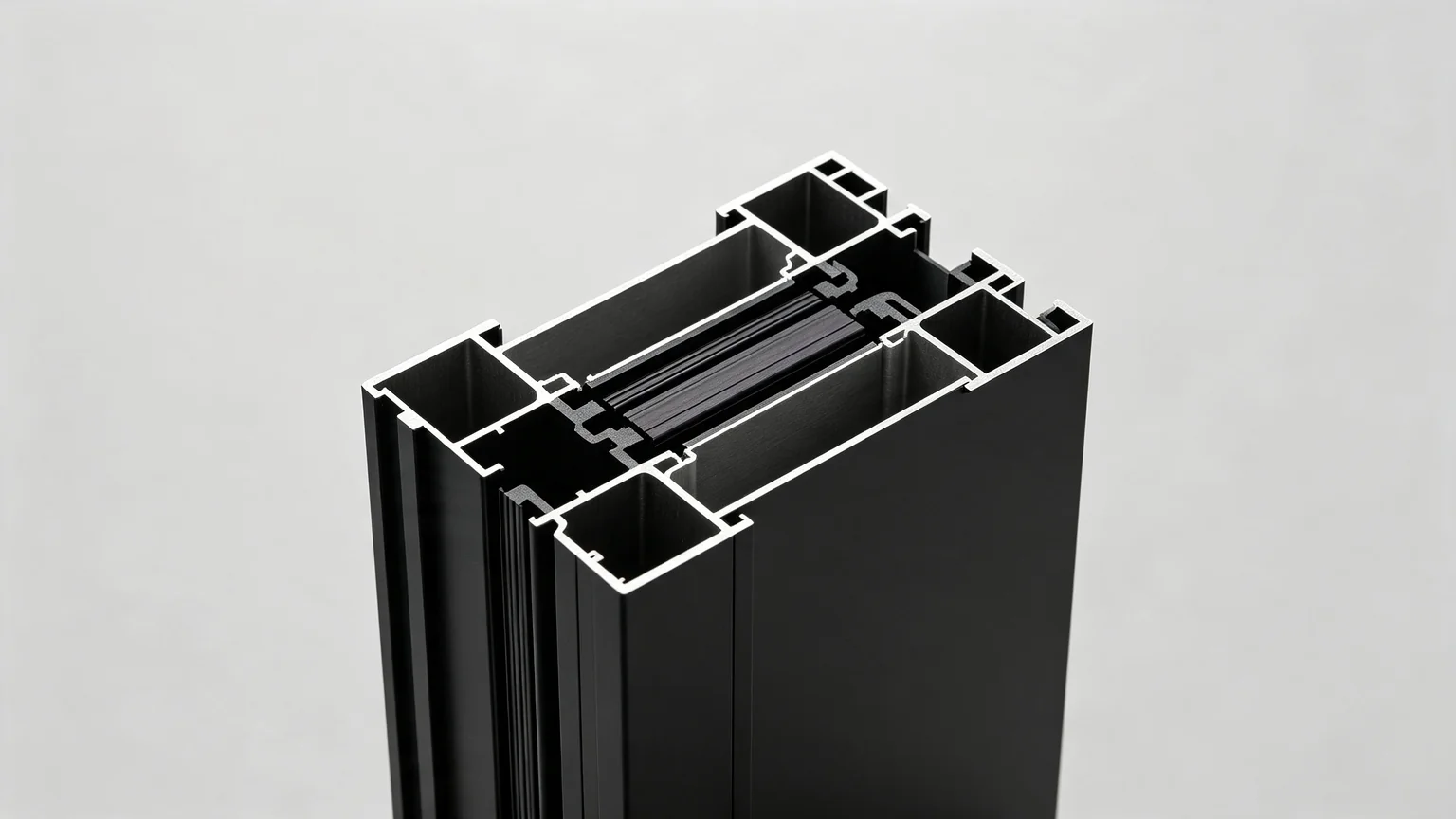
- 6063-T5 Thermal Break Aluminum (DP50 Grade): Tensile strength 50–90MPa, single sash maximum dimension 2.5m × 3.5m. Rated ±50psf design pressure, 75psf ultimate safety load, engineered to meet with HVHZ DP50/DP60 rules. Large glass panels and multi-story facades are fully supported without structural reinforcement.
- Standard Vinyl PVC Window: Base tensile strength only 15–20MPa, limited to maximum 1.5m single sash, must add internal steel stiffeners for wider openings. No vinyl frame can complete DP50 third-party testing, making it unapproved for Miami-Dade and Broward HVHZ projects.
| Comparison Item | DP50 Thermal Break Aluminum | Standard Vinyl PVC |
|---|---|---|
| Max Single Sash Size | 2.5m × 3.5m | ≤1.5m (steel reinforcement required) |
| Wind Pressure Certification | DP50 / PG50 NAFS Compliant | Cannot reach DP standard |
| Whole Window U-value | 0.8–1.8 W/m²K | 1.7–2.2 W/m²K |
| Design Service Life | 30+ Years (AAMA2605 PVDF coating) | 15–20 Years (UV yellowing risk) |
| Coastal Salt Air Resistance | 3000hr salt spray tested | Seal failure within 10 years seaside |
| Custom Color Range | Full RAL + wood grain sublimation | Only white / tan limited palette |
| Unit Factory Cost | $45–120/m² | $25–70/m² |
| 20-Year Total Lifecycle Cost | Low maintenance, no full replacement | High repair + full frame replacement fee |
2 Thermal Insulation & Energy Efficiency
Bare solid aluminum transfers heat rapidly, but modern PU poured thermal break systems eliminate this flaw. Our DP50 series uses 28–34mm polyamide/PU insulated strips paired with double/triple Low-E argon glazing, reaching Uw as low as 0.8 to hit passive house level efficiency. Basic vinyl windows have natural insulation advantage, but their performance gap disappears with upgraded aluminum thermal design, and vinyl cannot match large-size energy window specifications for commercial buildings.
3 Upfront Cost vs Long-Term ROI Calculation
Vinyl has 20–40% lower initial purchase price for tiny inland residential windows, yet the economic advantage disappears over long-term project operation:
- PVC ages under strong UV radiation, turning brittle after 15 years, requiring full window replacement for multi-family communities;
- Dark colored vinyl frames absorb solar heat, warp easily, creating air/water leakage that raises long-term cooling expenses;
- AAMA2605 fluorocarbon coated aluminum only needs annual water washing to maintain appearance and performance for 25+ years.
For a 100-unit Florida coastal residential complex, DP50 aluminum windows cut overall 20-year project expenses by over 30% compared to all-vinyl alternatives.
4 Maintenance, Appearance & Climate Suitability
Aluminum Core Advantages
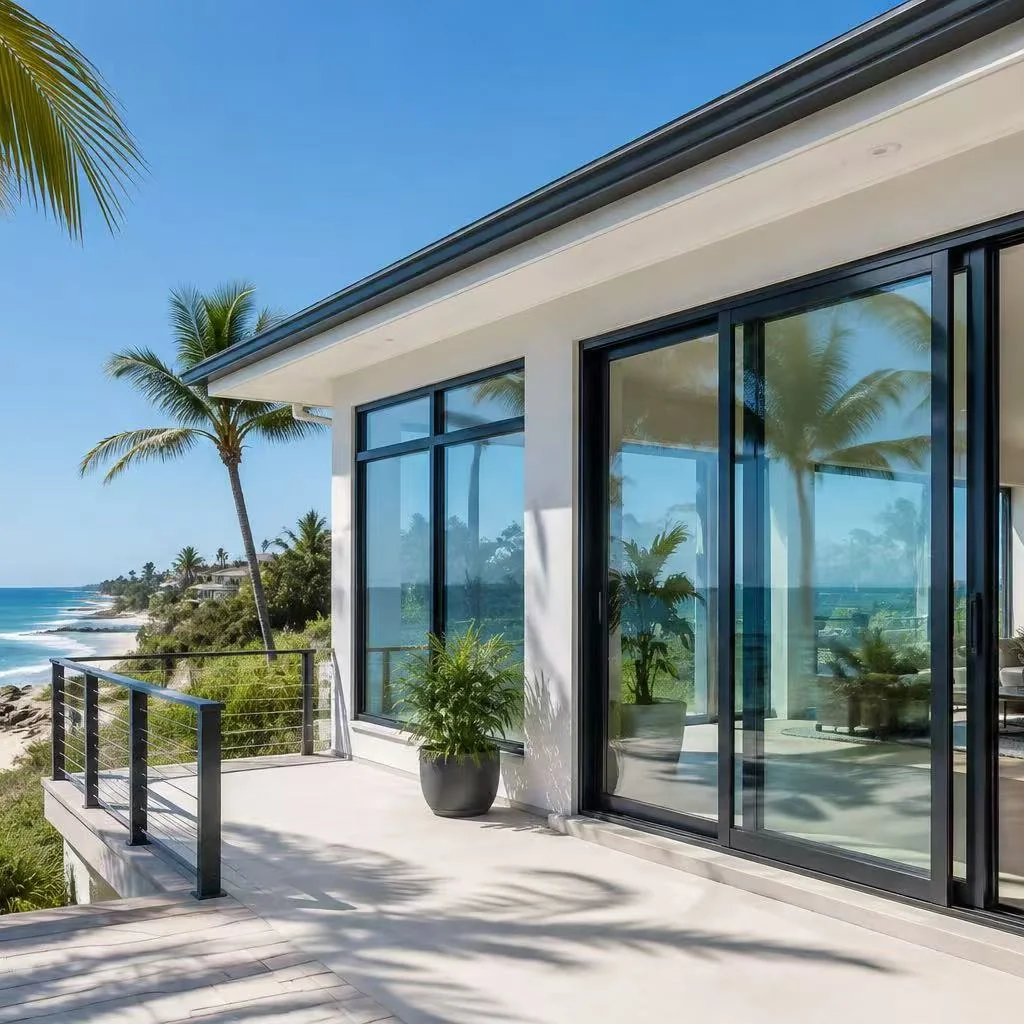
- PVDF coating resists coastal salt fog, strong UV and acid rain erosion;
- Custom dark gray, black, timber finish options match modern American villa design;
- No thermal expansion deformation under extreme hot/cold temperature swings.
Vinyl Main Limitations
- Limited color choices; dark profiles deform under direct sunlight;
- Long-term seaside exposure causes frame cracking and perimeter water seepage;
- Cannot create ultra-narrow sightline contemporary architectural styles.
5 Clear Project Selection Guidance
Spec DP50 Thermal Break Aluminum If Your Project Is:
- Miami-Dade / Broward HVHZ hurricane coastal construction;
- Commercial offices, multi-family apartments, large picture windows over 1.5m wide;
- High-end villa, projects requiring custom dark or wood-grain frames;
- Long-term asset planning with 25+ year service expectation.
Only Choose Vinyl If:
- Ultra-low budget small inland residential windows under 1.5m width;
- Temporary rental buildings planned for less than 15-year service cycle;
- No strict wind load or salt corrosion building requirements.
For most US, Canadian and Australian export orders, DP-rated thermal break aluminum is the standard engineer-specified solution. View DP50 Thermal Break Casement Windows →
Download Free Resource: Aluminum VS Vinyl Spec PDF Get full DP5 parameter sheet, cost comparison chart and coastal material selection guide instantly. Download Full Spec Datasheet →
6 Frequently Asked Questions
Q1: Can vinyl windows pass DP50 testing for Florida HVHZ?
A: No. PVC lacks enough structural rigidity. All Miami-Dade HVHZ zones legally mandate DP50+ aluminum impact windows with NOA certification.
Q2: Is thermal break aluminum suitable for salt-air coastal Florida?
A: Yes. Our AAMA2605 PVDF coating passes 3000-hour salt spray lab testing, fully compatible with Atlantic and Gulf coast seaside projects.
Q3: Which material works better for multi-story commercial buildings?
A: Aluminum only. Large glass spans and high wind pressure demand DP structural performance impossible for reinforced vinyl frames.
Q4: Are triple-glazed aluminum windows more energy efficient than vinyl?
A: Yes. Triple Low-E argon glazing paired with long thermal break strips creates lower U-values than standard single-chamber vinyl profiles.
Want custom project material comparison? Send your project location, window sizes and wind code requirements, our engineering team delivers a customized cost breakdown within 48 hours. Request Custom Quotation →